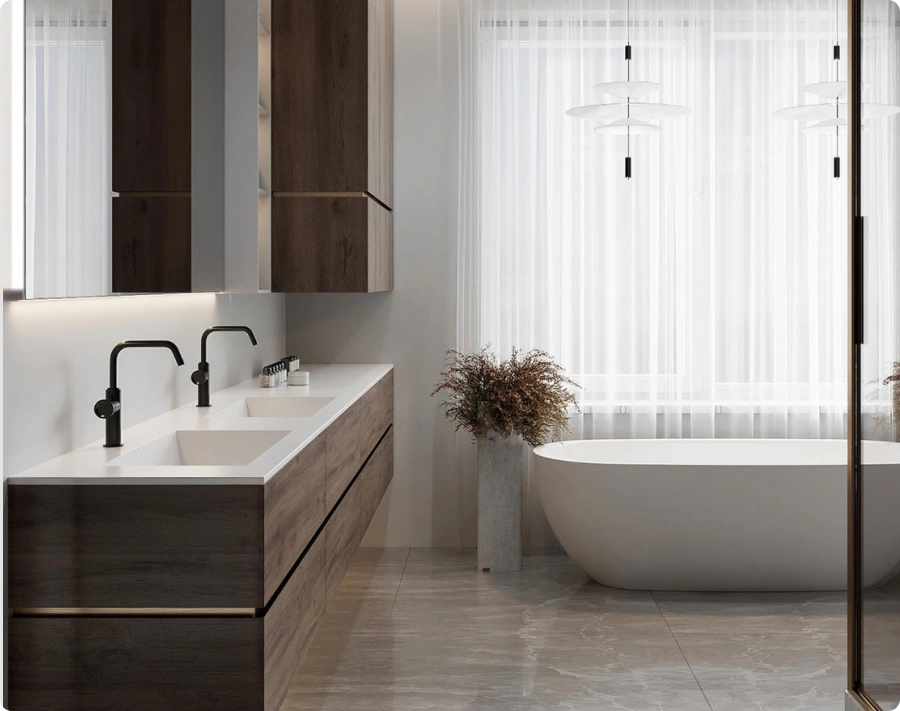
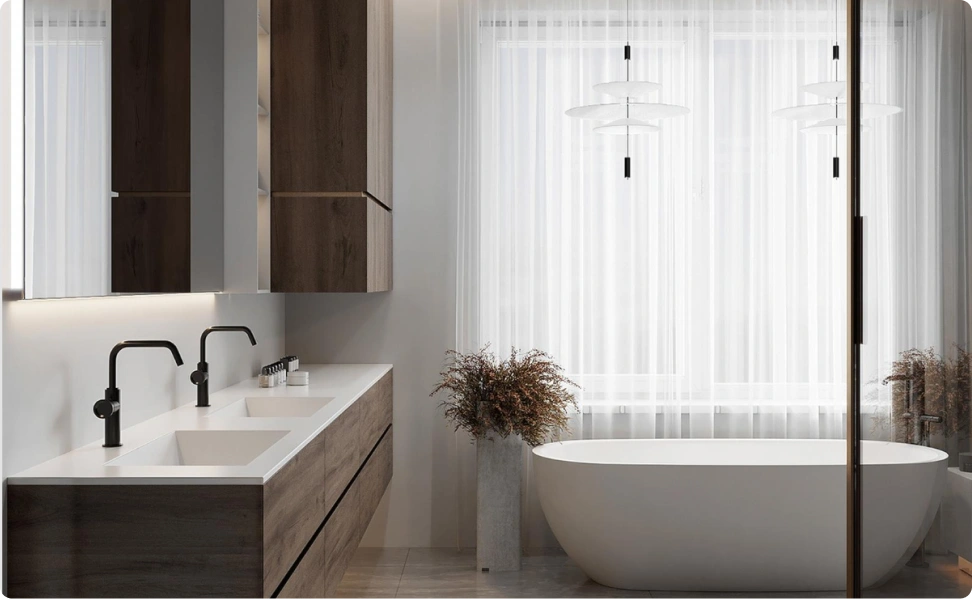
Bathroom remodeling often starts with one major decision that shapes the entire project. Choosing between a shower, a tub, or a combination affects how the bathroom functions, how it feels day to day, and how satisfied you will be long term.
Bathroom remodeling begins with deciding whether a shower or tub fits your needs best.
This guide breaks down the practical differences between showers and tubs so you can choose the option that works best for your space, lifestyle, and plans.
Why the Shower vs. Tub Decision Matters in Bathroom Remodeling
This decision goes beyond style. It affects comfort, safety, cost, and daily routines. The wrong choice can lead to regret, while the right one can improve how you use the bathroom every day.
Your choice influences:
- How the space is used
- How easy it is to clean
- Accessibility and safety
- Long-term satisfaction
- Potential resale appeal
Start With How You Use Your Bathroom
Before thinking about materials or design, focus on real-life use.
Daily Routines and Lifestyle Needs
Think about how you use the bathroom most days. Some people want fast, efficient mornings. Others want a place to relax at the end of the day.
Ask yourself:
- Do you shower daily or take frequent baths?
- Do you need a quick routine or a relaxing space?
- Is this a primary bathroom or a guest bath?
Who Uses the Bathroom Most?
The people using the bathroom matter just as much as personal preference.
Consider:
- Children who need a tub
- Older adults who prefer easy entry
- Guests who may expect flexibility
- Long-term accessibility needs
Bathroom Remodeling Option 1: Standalone Shower
Standalone showers are one of the most popular choices in modern bathroom remodeling. They offer efficiency, flexibility, and a clean look.
Benefits of Choosing a Shower
A shower-only layout works well for many homeowners.
Key advantages include:
- Takes up less space than a tub
- Easier to step into and out of
- Can consist of seating and grab bars
- Easier daily cleaning
- Modern, streamlined appearance
When a Shower Makes the Most Sense
A shower is often the best choice if:
- The bathroom is small
- You prefer quick routines
- Accessibility is a priority
- Low maintenance matters most
Limitations of a Shower-Only Design
While practical, showers may not suit every household.
Potential downsides include:
- No soaking option
- Less appeal for families with young children
- May not fit every buyer’s preference
Bathroom Remodeling Option 2: Bathtub
Bathtubs remain a classic choice and still play an important role in many bathroom remodels.
Benefits of Installing a Bathtub
A tub offers comfort and versatility.
Advantages include:
- Ideal for soaking and relaxation
- Useful for bathing children
- Traditional and familiar design
- Can support resale appeal in some homes
Who Benefits Most From a Tub?
A bathtub may be the better choice if:
- You enjoy baths regularly
- Children use the bathroom
- Space allows for comfortable placement
- You want a classic layout
Challenges of Choosing a Bathtub
Bathtubs also come with tradeoffs.
Common concerns include:
- Takes up more space
- It can be harder to clean
- Higher entry height
- Less accessible for some users
Bathroom Remodeling Option 3: Shower and Tub Combo
A shower and tub combo offers flexibility without requiring two separate spaces.
Why Some Homeowners Choose Both
This option works well for mixed-use households.
Benefits include:
- Allows both bathing and showering
- Fits many standard bathroom layouts
- Appeals to a wider range of users
- Practical for shared bathrooms
Best Situations for a Shower and Tub Combo
A combo is often a good fit if:
- The bathroom serves multiple people
- Children and adults share the space
- You want flexibility without expanding the room
Things to Consider Before Choosing a Combo
Some tradeoffs to keep in mind:
- More surface area to clean
- Can feel less open than a walk-in shower
- May cost more than a basic shower
How Bathroom Size and Layout Affect Your Choice
Space plays a major role in bathroom remodeling decisions.
Small Bathrooms and Space-Saving Decisions
In smaller bathrooms:
- Walk-in showers often work best
- Open layouts improve movement
- Glass panels help the space feel larger
Medium to Large Bathrooms With More Flexibility
Larger bathrooms may allow:
- Separate shower and tub
- Larger walk-in showers
- Freestanding tubs as focal points
Accessibility and Safety in Bathroom Remodeling
Safety should always be part of the planning process.
Walk-In Showers and Aging-in-Place Considerations
Walk-in showers support easier access and long-term use. They reduce tripping risks and allow for future mobility needs.
Simple Features That Improve Bathroom Safety
Helpful safety features include:
- Curbless entries
- Built-in benches
- Grab bars
- Slip-resistant flooring
Water Use, Maintenance, and Cleaning Differences
Daily upkeep matters more than many homeowners expect.
Comparing Water Use Between Showers and Tubs
Showers often use less water than full baths, especially with efficient fixtures. This can lower utility costs over time.
Cleaning and Long-Term Maintenance Expectations
- Showers may require wiping glass and tile
- Tubs have larger surfaces but simple shapes
- Combo units require maintaining both areas
Choose finishes that simplify cleaning and resist moisture.
Planning for the Future: Comfort and Resale Value
Your long-term plans should guide your decision.
How Long You Plan to Stay in Your Home
If this is your long-term home, prioritize comfort and accessibility. If resale is a concern, flexibility may matter more.
What Future Buyers Often Look For
Many buyers prefer at least one bathtub in the home, while others value modern walk-in showers. Balance personal needs with market expectations.
Cost Differences Between Showers and Tubs in Bathroom Remodeling
Costs vary based on design and installation.
What Impacts the Cost Most
Key cost factors include:
- Fixture type
- Plumbing changes
- Tile and finishes
- Labor time
Materials, Labor, and Installation Factors
Showers often cost less due to simpler installation. Tubs and combo units may require more space and labor.
Design and Finish Choices That Make a Difference
Design details shape the final look and feel.
Tile, Glass, and Fixture Considerations
Think about:
- Tile size and layout
- Glass doors versus curtains
- Storage niches
- Fixture finishes that age well
How to Decide: Shower, Tub, or Both?
There is no one-size-fits-all answer.
Questions to Ask Before Finalizing Your Choice
Ask yourself:
- How do I use this bathroom daily?
- Who else uses it?
- How much space do I have?
- What matters more, comfort or efficiency?
How to Prepare for a Smooth Bathroom Remodeling Project
Good planning reduces stress.
Steps to Take Before Construction Begins
- Finalize your layout choice
- Select fixtures and finishes early
- Confirm measurements
- Plan for daily routines during construction
Working With Professionals for Bathroom Remodeling
Choosing between a shower, a tub, or a combination is easier when you have guidance from professionals who understand both design and construction. American Contractor Group works with homeowners to plan bathroom remodeling projects that balance comfort, function, and long-term value.
Their team helps evaluate layout options, material choices, accessibility needs, and budget considerations so decisions are made with confidence. If you are planning bathroom remodeling and want help choosing the right shower or tub solution for your space, starting a conversation with American Contractor Group can help you move forward with clarity and peace of mind.